


How to Create a Video Game Pitch Deck That Publishers Can Evaluate Quickly
A video game pitch deck should help a publisher quickly understand what your game is, why it stands out, and why your team can deliver it. If those points are not clear early on, even a strong project can be harder to assess.
The best decks focus on the game’s core idea, current progress, and the proof that gives publishers confidence. Rather than trying to explain everything, they present the most important information in a clear and structured way.
For studios preparing publisher-facing materials, that clarity can make the pitch stronger and the overall opportunity easier to communicate. For teams looking for comprehensive video game publisher pitch support, refining how the game is presented can significantly improve first impressions.
What Publishers Want to Understand Quickly

When a publisher reviews a pitch deck, they are usually trying to answer a few practical questions:
- What is the game?
- Who is it for?
- Why will players care?
- What makes it different?
- How far along is development?
- Can this team realistically deliver it?
- What kind of support is being asked for?
- Does the game have commercial potential?
A good deck makes those answers easy to find. It does not force the reader to dig through long descriptions, lore, or broad claims. It gives enough information for a publisher to understand the project and decide whether it is worth discussing further.
That is why the goal of a pitch deck is not to say everything. It is to show the right things in the right order to get funding.
1. Start with the Game Concept
The first part of the deck should explain the game simply. A publisher should be able to understand the concept without reading several slides of setup.

A strong opening usually covers:
- the genre
- the core gameplay loop
- the player fantasy
- the main hook or differentiator
This does not need to sound dramatic. In most cases, a direct explanation works better than clever wording. If the concept is easy to understand, the rest of the deck becomes much easier to follow.
For example, it is more useful to explain what players actually do and what makes the game interesting than to spend too much time on worldbuilding before the core idea is clear.
2. Show the Most Important Information First
A pitch deck works best when it has a strong structure. Your strongest material should appear early, and each section should help the next one make sense.

That usually means leading with:
- the game concept
- the current build or visual proof
- key features
- audience and market fit
- team credibility
- production status
- the business ask
This order helps a publisher move from interest to evaluation. They first understand the game, then see proof that it exists in a meaningful way, then assess whether the team and opportunity are strong enough to support a partnership.
Many decks become weaker than they need to be because the best information is buried. Sometimes the game is promising, but the presentation does not help the reader see that quickly.
For studios preparing for publisher outreach, this is often where outside support can be useful: not because the game needs changing, but because the pitch materials need better focus and structure.
3. Use Proof to Build Confidence
A publisher is not only evaluating the idea. They are also evaluating how much confidence the project creates.
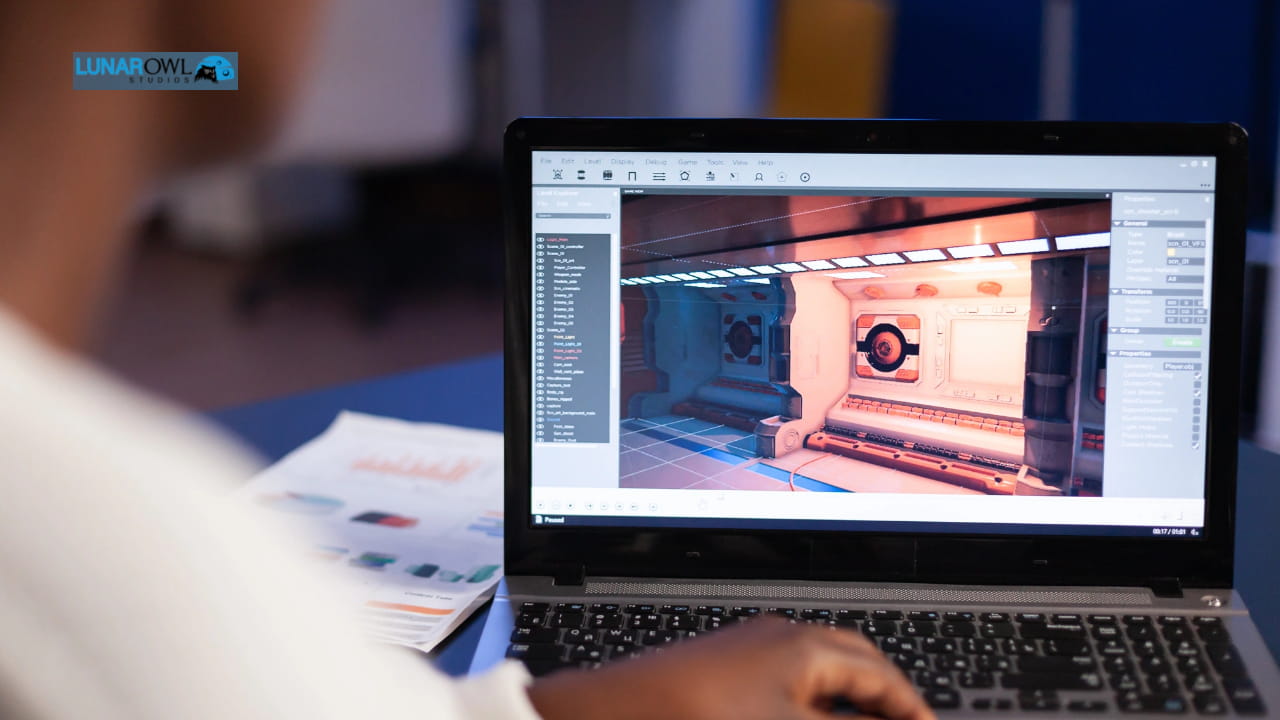
That confidence usually comes from proof such as:
- gameplay footage
- screenshots from the current build
- prototype validation
- playtest feedback
- wishlist growth or community traction
- milestone progress
- team experience
- previous shipped titles
- realistic planning and scope
The key is to support important claims with something concrete. If you say the game has strong appeal, show why. If you say the team can deliver, show relevant experience or development progress. If you say the market opportunity is strong, explain how the game fits that space.
This does not mean every deck needs deep data. It means the strongest claims should feel grounded. Even simple proof can make a big difference when it is presented well.
4. Make the Market Position Easy to Understand
Publishers also want to know where the game fits. A strong deck shows that the team understands the audience, the competitive space, and the commercial context around the project.

A useful market section can answer questions like:
- Who is the game for?
- What similar games help define the space?
- What does this game do differently?
- Why could players pay attention to it?
- Why does this project make sense now?
This part should be realistic. It is usually better to show awareness of similar titles than to act as if the game has no competition. Comparison points help video game publishers understand the project faster, especially when they are used to explain audience fit, price positioning, tone, or scale.
What matters most is being specific. Broad statements about market demand are less useful than clear positioning.
5. Include the Core Sections Every Deck Needs
There is no single format that fits every project, but most strong publisher pitch decks include the same essential sections.
Cover Slide
Include the game title, studio name, and a strong image. If needed, add a short descriptor that helps define the game immediately.
Elevator Pitch
Summarize the game in a few lines. This should explain what it is, who it is for, and why it stands out.
Game Overview
Explain the core loop, player experience, genre, and progression in a simple way.
Key Features
Highlight the features that matter most. Focus on what gives the game value, not generic claims.
Visuals and Current Build
Show what the game looks like now. Screenshots, clips, or prototype visuals help ground the pitch in something real.
Audience and Market Positioning
Define the target audience, relevant comparison titles, and where the game sits in the market.
Team
Introduce the team and include experience that reduces execution risk, such as shipped projects, technical strengths, or prior collaboration.
Production Status and Roadmap
Show what is already done, what comes next, and how the project is progressing.
Business Ask
Be direct about what you want from the publisher. That might include securing specialized gaming publishing services, development capital, production assistance, marketing infrastructure, platform access, or a broader partnership.
6. Avoid the Mistakes That Weaken Good Projects
Even promising games can lose momentum if the deck makes the project harder to evaluate. Some common mistakes include:
- spending too much time on backstory before explaining the game
- making big claims without enough support
- relying too heavily on text instead of visuals
- using vague comparison points
- failing to explain what makes the game different
- leaving the business ask unclear
These problems are common because teams are often close to the project and already understand it deeply. What feels obvious internally may not be obvious to someone seeing the game for the first time.
That is why good pitch decks are edited, simplified, and shaped around how video game publishers actually review material. A strong presentation is not about making the game sound bigger, it is about making the opportunity easier to understand.
How Lunar Owl Can Help with Video Game Pitch Decks
A strong pitch deck is not just about presenting a game well. It is about helping publishers understand the project, the team, and the opportunity behind it. Lunar Owl works with studios to improve pitch materials by refining structure, sharpening messaging, and highlighting the proof points that matter most.

Depending on the project, that publisher pitch support can include pitch deck development, publishing guidance, presentation refinement, and broader strategic input around how the game is positioned. For studios looking for an end-to-end video game publishing service, this kind of support can help make publisher outreach more focused and effective.
Frequently Asked Questions
How Long Should a Video Game Pitch Deck Be?
Most video game pitch decks work best when they are concise and easy to review quickly. In many cases, around 10 to 15 slides is enough to explain the game, show proof of progress, introduce the team, and clarify the business ask without overwhelming the reader.
What Do Publishers Want To See in a Game Pitch Deck?
Publishers usually want to understand the core concept, target audience, development progress, team credibility, and commercial potential as quickly as possible. They also want clear proof that the game is real, differentiated, and realistic for the team to deliver.
Should a Pitch Deck Include Market Comparisons?
Yes, in most cases it should. Relevant comparison titles help publishers understand where the game fits, who it is for, and how it can be positioned in the market. The key is to use comparisons to clarify the opportunity, not to overstate it.
Do You Need a Playable Build Before Pitching to Publishers?
Not always, but some form of concrete proof is usually helpful. That could include gameplay footage, prototype screenshots, milestone progress, or early playtest feedback. The goal is to give publishers enough confidence that the project is taking shape in a credible way.
What Is the Most Common Mistake in a Video Game Pitch Deck?
One of the most common mistakes is making the deck harder to evaluate than it needs to be. This often happens when teams spend too much time on backstory, use vague claims, or fail to clearly explain what makes the game different, how far along it is, and what support they are asking for.
Final Thoughts
A strong pitch deck gives a game a better chance of opening the right conversations with best game publishers for indie games. Good ideas matter, but so does the way they are presented, supported, and positioned. A clear deck helps publishers quickly understand the game’s core appeal, target audience, and commercial potential. It also gives teams a stronger foundation for more focused, confident conversations during the pitching process.
For teams that need help building stronger pitch materials or preparing for publisher-facing discussions, Lunar Owl’s video game publishing service can help make that process more structured and more effective. Studios planning ahead often structure their corporate health cleanly to position themselves for future gaming industry consolidation.

Howard Donaldson is a tech and gaming executive with over 30 years of finance and ops leadership. The CEO of Lunar Owl Consulting and former VP at Disney Interactive and CFO at EA Canada, he advises high-growth startups and tech platforms like Kinzoo on scaling and venture funding.

Latest industry trends and expert insights from our team
Keep up with our newest projects, market trends, and expert insights

.webp)
Let's Build Your Future.
Whether you're navigating complex issues, planning your next phase, or just have questions—we're ready to talk.

Timely response
We prioritize timely responses to ensure smooth communication

Guided next steps
We don’t leave you guessing — every phase is supported
get in touch
Let us know how we can help

We help game studios secure funding, find publishers, and scale strategically.